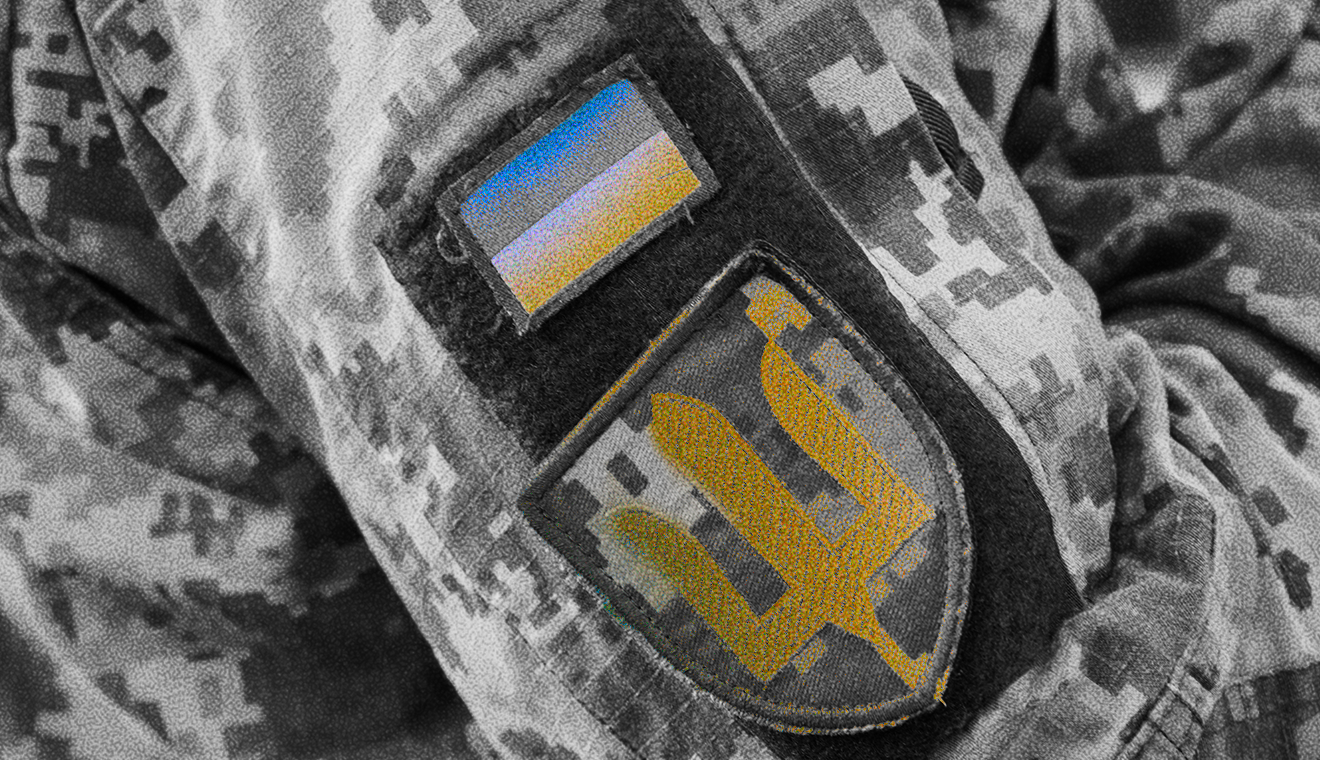
Forty-four per cent of Canadians believe it should be illegal for Canadian citizens to fight for the Ukrainian military, a poll commissioned by The Maple found.
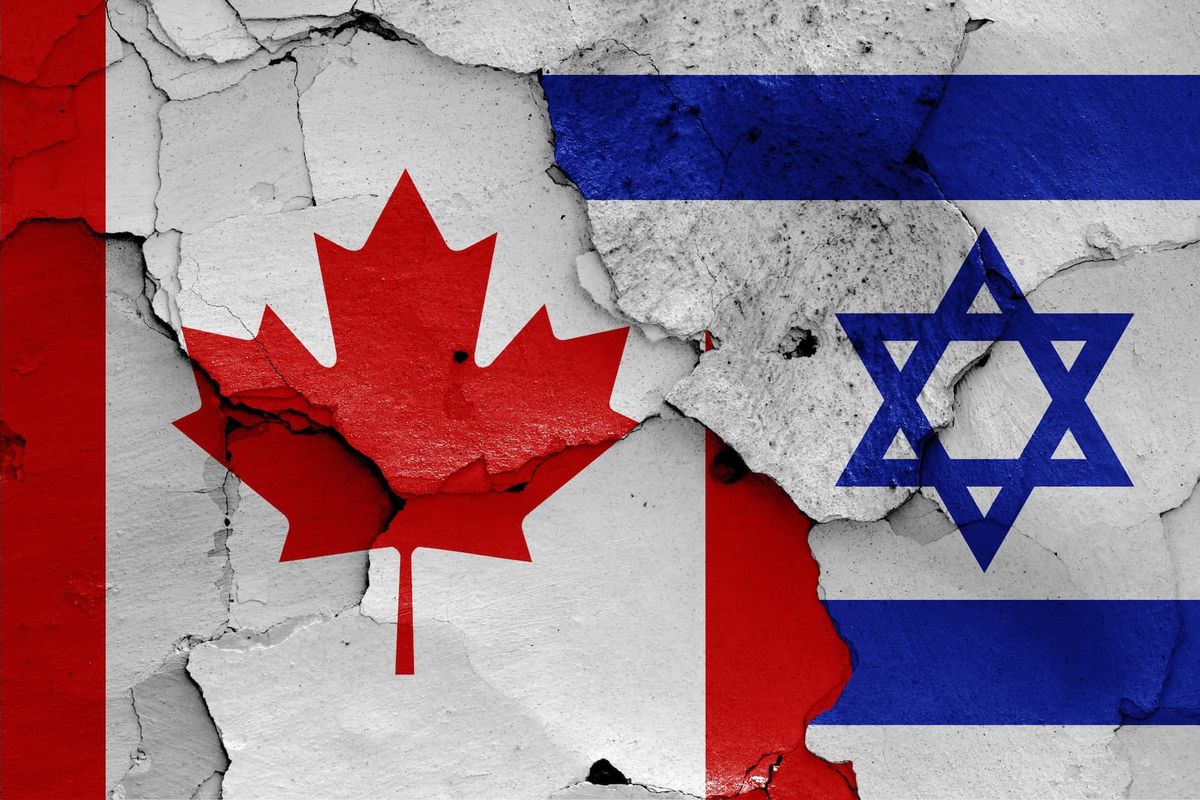
Respondents’ feelings about fighting for Ukraine were not as strong as their feelings about fighting for the United States or Israel. In the cases of both of those countries, more than half said military service should be illegal, the poll found.
Overall, 47 per cent said it should be illegal for Canadians to serve in the military of any foreign government. Thirty per cent disagreed and 23 per cent said they were unsure.
When it comes to the Ukrainian military, 37 per cent disagreed that it should be illegal and 19 per cent were unsure. Significantly more Canadians disagreed with banning service in the Ukrainian military than in the U.S. and Israeli militaries.
The Maple’s poll was conducted online by Pollara Strategic Insights between March 27 and March 30 with a sample size of 1,546 randomly selected adults.
The fact that fewer Canadians agree with outlawing Ukrainian service than U.S. and Israeli service was not surprising to Ivan Katchanovski, “because the war in Ukraine is not only a war between Russia and Ukraine, but this is also a proxy war between NATO and Russia in Ukraine.”
Katchanovski is a part-time professor of political studies at the University of Ottawa and author of The Russia-Ukraine War and its Origins: From the Maidan to the Ukraine War.
“For this reason, you have very heavy involvement of Western countries, of Canada, in this fighting, this proxy war, in the form of providing military support, weapons, intelligence, information, money, financing of Ukrainian budget and so on,” he said.
Shortly after the war started in 2022, the National Post reported that at least 550 Canadians had travelled to Ukraine to join the war. Ukraine’s international legion had so many Canadian recruits that it set up an entire Canadian battalion, according to the paper.
But since 2022, Canadians’ support for and interest in the war has declined.
A poll conducted by Angus Reid in 2024 found that 45 per cent of Canadians said they were following the conflict closely, down from 66 per cent in 2022. Twenty-five per cent said Canada was doing too much to assist Ukraine, up from only 13 per cent who held the same view back in May 2022.
Katchanovski said that Canadians’ views have been shaped by a “Hollywood Western” image of the conflict, which isn’t accurate but has been projected by the mainstream media and politicians. He said many sources used by television news programs and major newspapers have never been to Ukraine and don’t speak Ukrainian.
“Western media takes at face value and promotes propaganda by the Zelensky government that Ukraine is winning the war, that Ukrainian military casualties are far lower than Russian casualties, that Azov corps are regular military formations, and that Ukraine is a democracy,” Katchanovski told The Maple in an email.
“In fact, the evidence shows that Ukraine faces a partial defeat, that Ukrainian military casualties are similar to combined Russian and Donbas separatists military casualties, that Azov corps are neo-Nazi-led, and that Ukraine is ruled by a [dictator], who usurped power and cancelled the presidential elections.”
The Ottawa Citizen reported this week that a non-commissioned Azov officer received military training in Canada earlier this year. In 2025, The Maple revealed that the Canadian embassy in Kyiv hosted representatives from Azov for what one Azov contact called a “friendly and open dialogue.”
Ukrainians Lack Some Basic Rights
An analysis conducted by The Maple during the first few months of the conflict found there was a lack of dissenting views among major Canadian newspapers, with 96 per cent of all editorials expressing support for Canada’s assistance to the Ukrainian war effort.
This coverage perpetuates the Ukrainian government’s propaganda about the war rather than a balanced and factual perspective, Katchanovski said.
“Canadian government and the media and a lot of self-proclaimed supporters of Ukraine actually support policies which would be totally unacceptable in Canada. But they support them in Ukraine.”
For example, a Ukrainian government ministry registers media outlets and defines the industry’s professional standards.
Before Russia’s invasion in February 2022, the Ukrainian government began requiring all print media outlets to publish their materials in Ukrainian. The move raised concerns from human rights organizations which said the requirement could suppress minority languages.
In 2021 and 2022, the Ukrainian government forced some television news stations off the air and consolidated other stations into one state broadcast.
“I think we were switched off because there was a fear that this time, we would not support the president’s point of view,” Volodymyr Mzhelskyi, a Ukrainian news station director, told NPR back in July 2022.
Ukrainian men have also described being kidnapped and forced into military service by conscription officers.
Katchanovski says his own book has been banned by the Ukrainian government.
“Canada could have helped Ukraine by making time to make Ukraine more like Canada,” Katchanovski said, “a democracy in which you have language rights, you have freedom of expression and so on. But this is not the case.”
Via Pollara: “From March 27 to March 30, 2026, Pollara Strategic Insights conducted an online survey of a randomly- selected sample of N=1,546 adult (18+) Canadians. The dataset has been weighted according to the most current gender, age, and regional Census data, to ensure the sample reflects the actual population of adult Canadians. Online surveys do not permit the application of a margin of error. A probability sample of N=1,546 carries a margin of error of ±2.5%, 19 times out of 20. The margin of error is larger for sub-segments. Pollara Strategic Insights is a member of the Canadian Research Insights Council (CRIC), and this research was conducted in compliance with CRIC standards.”
 Davide Mastracci
 Alex Cosh